During my senior year at the College of Charleston, I recently finished a class at the business school that was called Professional Development. This class first launched this January as an express class and my professor recently told me that they will be continuing it as a class because it received so much great feedback and praise. Not only did I learn so much but we also held an event called “Flip the Fair” where I landed my first job as a supervisor at the Kiawah Island Golf Resort.
I was very thankful to learn how to properly take these next steps to start my profession leading to and after graduation. Resumes are extremely important and if any of you have questions please feel free to contact me. I have reviewed several resumes and have helped edit them to make it appeal more professional. Learning about what to prepare for and how to prepare for a job after graduating has really shown me how important the
Attend
Throughout your years of college and even after college, it is key to explore your options and search for what is really out there that will benefit professionally. Colleges provide many workshops throughout each semester to benefit their students so keep your eyes and ears open to what is going on around you. Know what possibilities are out there for you! College of Charleston sets their students up to succeed so I was in good hands.
Also, a job can fall into your hands just by meeting people, you never know who you will run into! Be sure to market yourself! Create your identity and make a good impression to others around you.
Sometimes even by word of mouth could potentially land you a job that you have been searching for! Something like this could happen anytime and anyplace! It is important to use effective communication skills.
One important thing that I would suggest is to regularly check your emails, dates, and times. Keep a planner with you! Who knows when your dream job may be attending a career fair at your campus or has an event going on in your city.
Another thing that really helped me was having a professional such as a faculty member or internship coordinators look over my resume. It is important to have positive and negative feedback. There are several resume workshops that are set up along campus throughout the year for students as well as people who have already graduated.
Social Media Detox

These days social media is a MAJOR tool that employers use. A person can find a lot about someone just by looking on your profile. If you have a good job, list it on facebook. Be sure to look over your Facebook, Instagram, and Twitter VERY carefully.
If there are inappropriate/embarrassing photos, negativity, drama, rude comments from others, or even if you are tagged in a post from present or past that may not look so good on your reputation, be sure to untag and delete yourself.
One way to think about what you should keep and what you should delete would be the “grandma approval” test. Many times there are funny things on facebook with bad language or things in general that could possibly raise conflict, but just go ahead and stay away from any type of controversy.
Also, when searching for a job, it might even be a good idea to upload a headshot of just yourself so employers know who to look for. Recruiters WILL check your Facebook so make sure when they see your picture, they know clearly who you are. By this I mean don’t have a group shot of a bunch of your friends because then they will have to guess who you are. Also your picture should be clear, good lighting, and have an approachable smile.
Employers are looking to hire candidates who are professional in the workplace but also a well liked person all around so don’t let something like social media hurt your reputation. Your reputation can go a very long way! It doesn’t hurt to clean up your social media anyways! Go ahead and “like” certain companies pages that way you can keep up with things that they post and you can keep up with postings.
Another great idea is to fix your privacy settings on social media. You can choose who can post on your profile or make sure that whatever is being shared on your profile page, will FIRST have to be accepted by YOU. I cannot tell you enough how popular it is today for potential employers to do a google search or facebook search to find a little more about who you are. Some jobs require a drug test but recruiting managers will most likely look through your personal social media before they get to that step.
These are somethings to really start thinking about to increase your chances of employment or internships as well. In conclusion, always be aware of what you post or comment on social media. Stay professional!
When conducting a resume
A resume is one of the most important documents that you will ever have because it is all about you! From starting out with volunteer work, internships, and other jobs related, this is a document that will show future employers all of your accomplishments and skills. This piece of paper is a summary and background of yourself and words.
One major thing to keep in mind is making sure that every part of your resume fits onto one page. If needed, change the font to smaller or change the margins. If you need help setting up your resume then there are many templates through Microsoft or other free websites online.
At the very top of your resume should present your first and last name. Include the name that you like to be called by. Right by your name should list your cell phone number, email address, and your LinkedIn URL. Be sure to have your resume professionally written, check your grammar, and make sure that there aren’t any typos!
There will be a section where you will list your skills. For example, use keywords such as “staff training” and “team-building”. Another example would be phrases like, “generated new business” or “fast-fast paced environment”. These are skills that you are especially good at and have experienced before. Under experience, list jobs that you have had previously and the dates in which you worked there from the start to end period. You never want to list jobs that you have worked at for only a couple of months. Instead list jobs and what your task was specifically. For example, if you were a server who trained new employees then list something like, “ selected to train new employees on policies and procedures.” Take the time to really think of the knowledge and abilities you used while working there. By explaining what you did shows that the managers trusted you to set a good example for new coworkers who joined the team.
Another part of your resume will list education. Typically you do not need to list where and when you graduated from high school because that will take up too much space and it is not really necessary. Employers mostly only care about the year you graduated college. Since you are receiving your degree, then that is what overrides it and matters the most! Also, if you have any certifications, honors, or awards then that is excellent to add because it shows more of what you have accomplished. Show that future employer all of your qualifications!
Be sure to list volunteer work that you have done previously and specific tasks in bullet form underneath each job to help the interviewer or hiring recruiter get a better understanding of what you did during the time you were there at the establishments. List any internships and list exactly what you did or learned from. Being specific like this will show that you were capable of certain responsibilities. When listing skills think about certain programs that you are very familiar with such as Microsoft Excel or Microsoft Office, other softwares, and foreign languages! This will position yourself as a well rounded candidate!
Research
Research is very important. First, start off with a standard research on google of the companies background. Be sure to look up the company on Glassdoor to view reviews of employees or former employees who have worked there. Also, check out the companies LinkedIn page and Facebook page.
Research and review press articles written about the company and see what was said. Familiarize yourself with what the company is all about and reading reviews may help you get a better understanding of it. Look into what a job is like working there.
Things to have
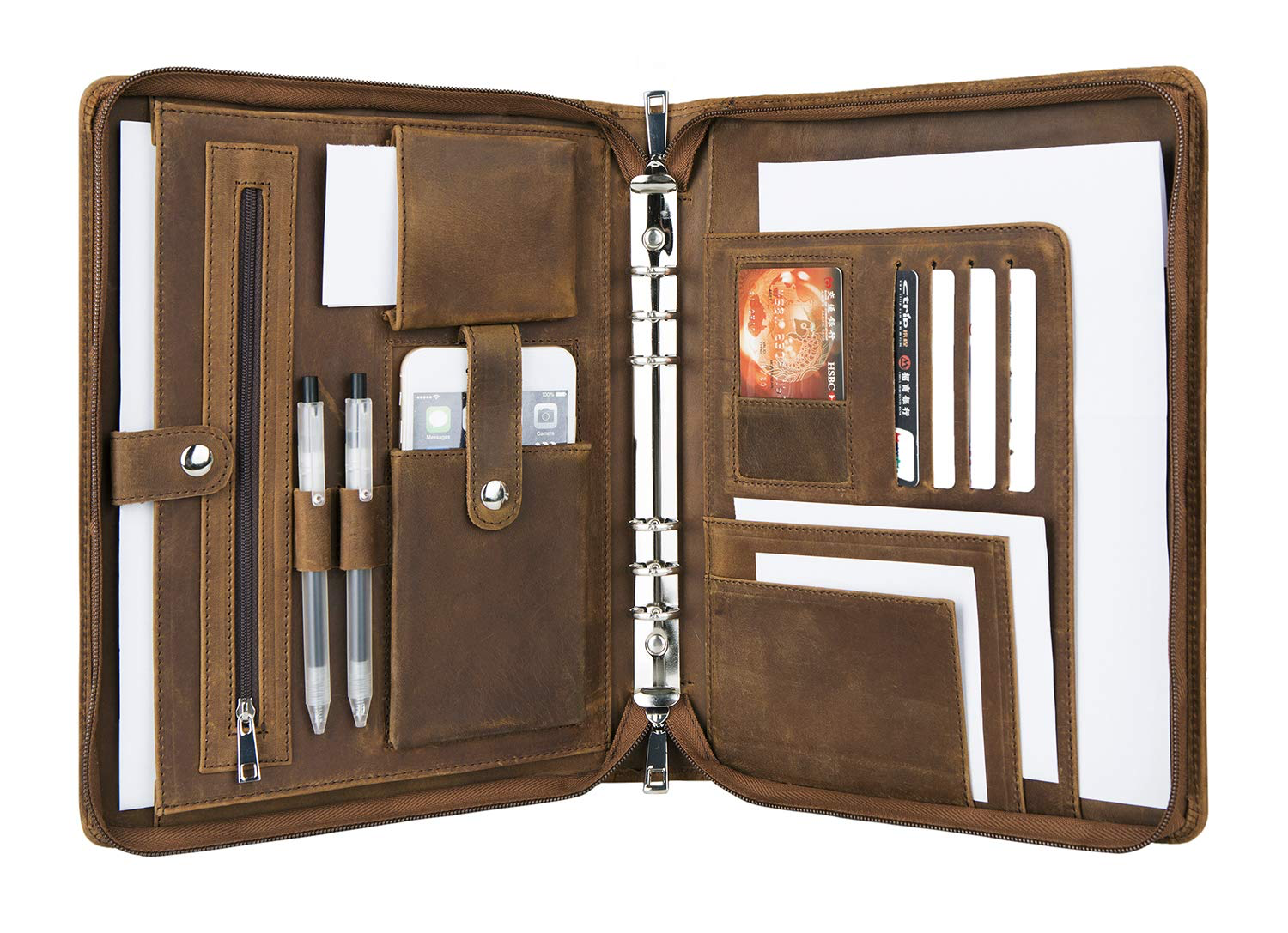
It is important to have a professional headshot. You do not want to put a headshot on your resume or business card unless it is appropriate for the job you’re searching for or working with you would want to put the professional headshot in your portfolio. Speaking of a portfolio, preferably a leather blind portfolio would look professional and sharp when attending interviews or even career fairs because it will hold all of your information and keep it organized.
It is also important to keep loose leaf paper, a nice pen, extra copies of your resume, and business cards on hand. This way everything will stay neat and clean. Another thing that is very important to include in your portfolio would be any coursework, or any other work that was previously done in internships or other jobs related.
Showing creative work like this would show some of your accomplishments and what you are capable of. For example, I created a hotel profile for Kiawah Island Golf Resort as well as a personal operating budget. This showed that I knew a lot of information on the resort and that I was good with numbers. Something to show for like this would display your creativity, make you stand out, and sometimes complement the job that you are searching for.
|LinkedIn is a powerful social media tool to build your brand and show your identity and a business way. One great thing about LinkedIn is that it will update you and connect you with groups that you may be interested in. Did you know that linkedin has been around longer than Facebook? The thing about LinkedIn these days is that it is more relevant than ever.
Be sure to write a professional summary to showcase your strengths and your determined personality. One other tip with a LinkedIn account is that you can shorten your URL which would fit short and sweet on a resume. This would make it look cleaner as well without the additive letters or numbers.
Bring your portfolio which again should include your resume, business cards, sample cover, coursework or projects, paper, and a pen. Bring a lint roller! This way you can follow back onto certain things. Be sure to KNOW your resume. Listen to the interviewer and ask questions.
Cover Letter
If you are wondering whether you should include a cover letter when applying for an internship or job, the answer is YES! Cover letters are very important when mailing, emailing, or submitting a resume online. Be sure to keep it to one page length and make sure your paragraphs are not too long.
The correct layout a cover letter should be organized is as following; heading, salutation, opening paragraph (make your statement), a second paragraph (show why you are the perfect candidate for the company), a third paragraph, a closing paragraph, a formal closing, and possibly a postscript. The great thing about having a cover letter is that it shows the company and which you are interested in, also an example of your writing. Be sure to use clear and concise language! Make sure that it is professionally written without any typos!
When writing your cover page be sure to follow back on your work experience, education training, personal qualities, leadership roles, and volunteer work. If you know the hiring manager’s name then be sure to address your letter to that name. If someone referred you to that job then be sure to list their name. If you do you not know a recruiter for that department and which you are applying for then list the company. If you are mailing a physical copy of a resume or cover letter then make sure it is printed on good quality paper.
If you are unsure with how to write your cover letter then there are many sample templates online for you to help you. A cover letter should express your excitement, show your skills and accomplishments, and why you would be qualified for the job. A cover letter should be a tool to add in anything extra that your resume is missing.
Business cards
Business cards are an essential and a fundamental role to share your contact information! They are an effective tools to use and can make a great impression. It serves as a tangible reminder for the person you are sharing it with. By having a business card, not only does it look professional, but it makes a statement.
Having a business card also saves time to share your contact information without having to write it down plus it looks professional overall. It is also less easy to misplace and has a better chance of reminding the person a little about you and when you met. Be sure to create your “logo”. You want to create something that compliments your name something that has to do with the job that you are searching for. Think about the format, shapes, colors, lines, and background you would like to us! Make sure to use high quality printing on a textured card so it is durable.
You do not normally need a headshot on your card but depending on the job, it is okay to have for certain jobs. For example, if you work with wedding events, an image like pearls or a bouquet of flowers would look good on the card. Business cards are also very easy to tote around whether in your wallet or in your portfolio. You never know when you might run into someone that could use your service!
Professional Attire

Be sure to make a killer first impression and this time I am talking about your outfit for your interview. Make sure to show up in professional attire such as a blazer, suit, tie, dress, tights, collared shirts, dress pants, and comfortable dress shoes. Make sure that your outfit it comfortable from top to bottom.
It’s okay for you to wear dainty jewelry but make sure that it is not too loud or goddy. Be sure to have your hair combed and do NOT wear a lot of perfume or cologne. Be careful when mixing scents such as deodorant, hair products, or any body sprays well as lotion. You do not want to walk into a room and everyone notice the scents you are wearing so make sure it is subtle.
As far as makeup goes, go for the lighter and natural look. Stay close to simple looks and nothing too extravagant that you might would wear out one night. From the look of your appearance, this will allow your employer to see how you would look in a professional context.
Conduct a Mock Interview
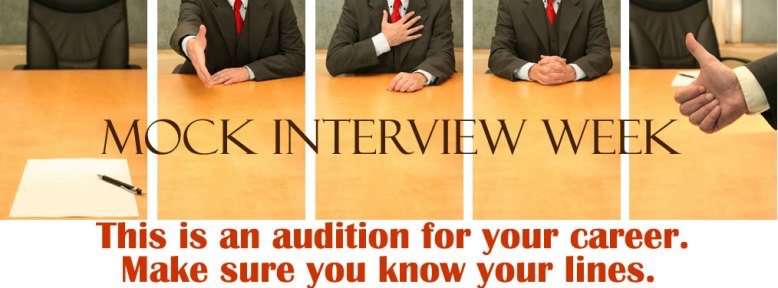
A mock interview is all about prepping for the real one! By conducting a mock interview, this lets you practice and learn to be more comfortable while interviewing. Practice your interview etiquette! Find a faculty member, friend, or even a family member to help you gain confidence.
Practice your greeting, it’s all in the handshake! One of the first things to do when meeting the person who interviews you would be to give them a proper handshake that is firm. Have them ask you a list of questions that an interviewer may ask you. Maybe even create a rubric for yourself! Have them rank certain parts that you were strong at and certains parts where you were weaker at. Also, create a personal rubric to grade yourself! Sometimes you think you did worse than you really did.
Be sure to brush up on your body language and smile! Make sure your eye contact is natural, relax your face. Speak slowly and clearly. Be sure to sit far back into your chair with great posture and proper hand placement. Youtube videos are a beneficial tool to watch people being interviewed by seeing what things you should do and things that you should not do. Show off your positivity!
Answer some of the questions relating back to certain scenarios that happened to you and what you did to resolve them. How would you handle a problem in the future? How did you handle the issue? When having something to relate back to, it shows experience. Sometimes the interviewer will ask if you have any other questions after the meeting and it is good to prepare with a couple of smart in them questions in the end such as, “What do you like best about working for this company?” This way it lightens the mood and allows the interviewer to think about why they enjoy working there so much as well as ending off with a great note.
Practice a few times, make sure to get comfortable with your potential interview. Practice your elevator speech! Also, it is completely okay to pause before you answer difficult questions. Think before you speak! Form the “perfect answer” in your head rather than saying something like “ummmm…”. What can YOU bring to the table? What makes them WANT you? Prepare a 60 second response. Make the most out of the personal questions such as a question like, “Tell me about yourself”. A great answer would be a huge selling point for yourself!
The Interview

The first thing to do when you have a scheduled interview is to KNOW the directions beforehand whether you have previously driven past the place or you are using a direction app/navigator to get there. Always be punctual! I cannot tell you enough how important is to make sure you have enough time, so plan ahead to make it less stressful! If you have specific directions provided by the company then be sure to print out the paper so it is easy to read rather than searching for it through your phone.
Make sure you have plenty enough time to get there, factor in the time of the day, traffic, and a few extra minutes to look over any notes or questions that you are thinking about in preparation for your interview. This way you will have time to find parking and not be in such a rush. Be sure to carry in your portfolio and turn your phone completely off that way you will not be risking it going off.
While meeting with the interviewer, be sure to smile and greet them with a full and firm handshake. Immediately thank the interviewer for meeting with you. Sit back in your chair, be comfortable, and stay focused. Make sure to sit properly with make a great first impression! Finish on a positive note!
Follow-Ups
You should make a follow-up phone call within a week after your interview. An email would be a great tool to follow up after that way they can see how interested you are in joining their team. In this email be sure to show your enthusiasm and make sure to include anything that you may have forgotten to say during your interview.
Be sure to thank them again for having you. A follow up email is also a chance to reassure the employer all of your valuable treats and shows your interest as a future employee. Follow up thank you cards that are handwritten are more sincere and it shows proper etiquette. It is appropriate to send a thank you note card with 24 hours.

 Katie K's blog